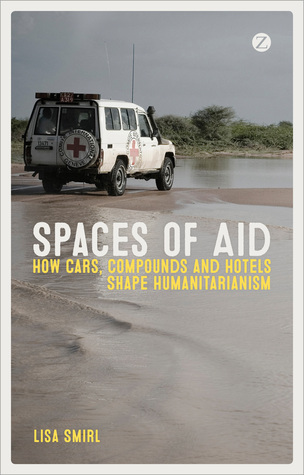
Spaces of Aid: How Cars, Compounds and Hotels Shape Humanitarianism
Est. 5h 32m
449 Pages
411 reading now
Prologue
One of the most common laments of aid workers is that the relatively cushy conditions of working in the field can contrast uncomfortably with their mission goals. Aid workers often visit project sites in air-conditioned Land Cruisers while the intended beneficiaries walk barefoot through the heat. Similarly, workers may check e-mail from within gated compounds while surrounding communities have no electricity or running water. While such observations might seem obvious, no academic study to date has dealt with the impact of these disparities on theory or policy, until now. In Spaces of Aid, Lisa Smirl brilliantly analyzes two high-profile case studies—the Aceh tsunami and Hurricane Katrina—in order to uncover a fascinating history of the material objects that are an endemic yet unexamined part of the aid landscape. Smirl provides the first book-length exploration of how aid work has gradually become detached from the lives of those it seeks to help.