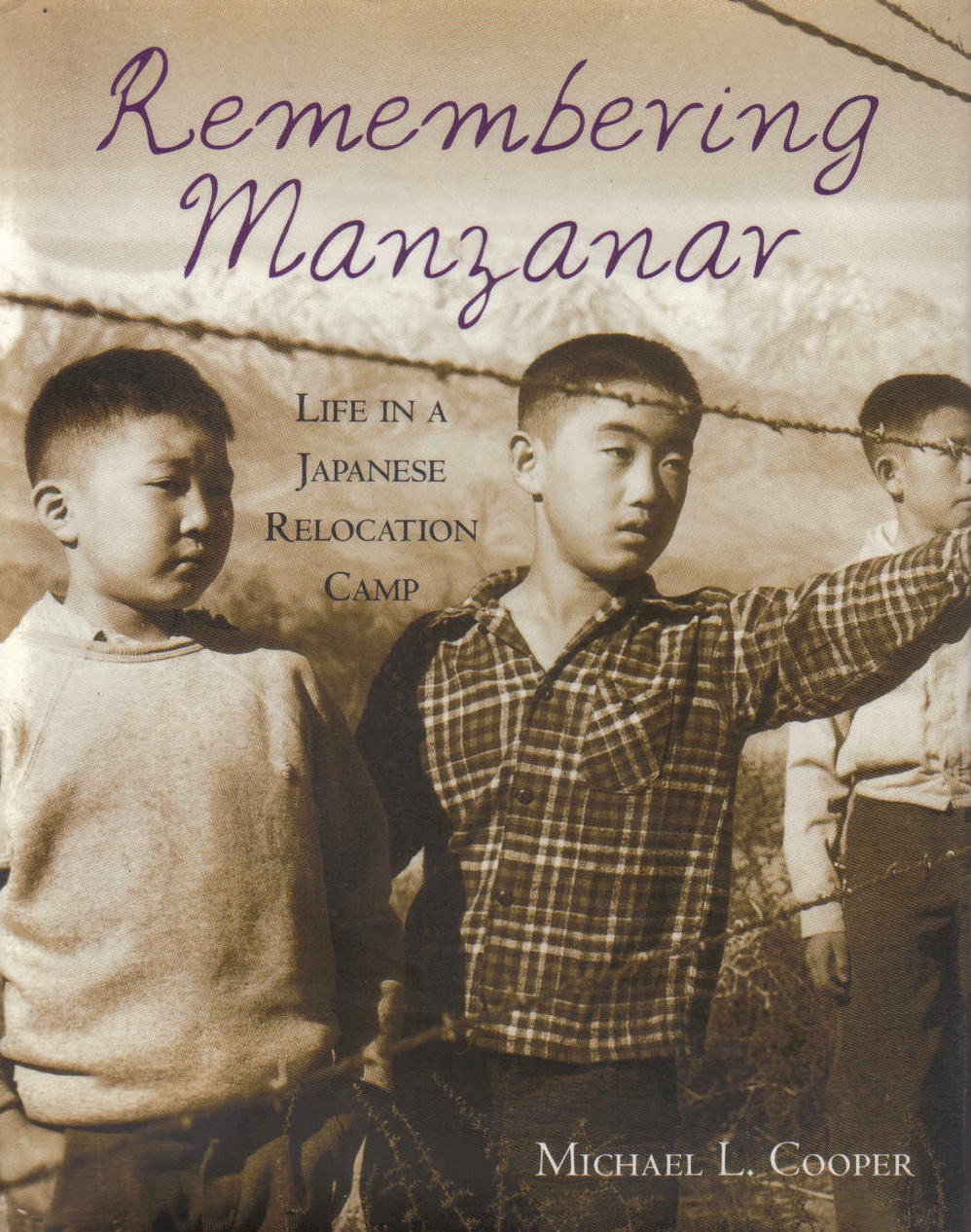
Remembering Manzanar: Life in a Japanese Relocation Camp
Est. 7h 47m
380 Pages
144 reading now
Prologue
In this close look at the first relocation camp built for Japanese evacuees living on the West Coast after the bombing of Pearl Harbor, social historian Michael Cooper makes extensive use of the actual wordsfrom diaries, journals, memoirs, and news accountsof the people who were held behind barbed wire in the high California desert. Many were American citizens who felt betrayed by their country. They had to leave their jobs, their homes, and their friends and go live in crowded barracks, eat in noisy mess halls, and do without supplies or books for work or schooling. They showed remarkable bravery and resilience as they tried to lead normal lives, starting their own schools, playing baseball, attending Saturday night dances, and publishing their own newspaper. Archival photographs, some by Ansel Adams and Dorothea Lange, augment the informative text. Manzanar is now a National Historic Site and hosts an annual pilgrimage that is attended by former internees, their families, and friends. Endnotes, Internet resources, index.